The State of Mercato Ciclismo in 2026
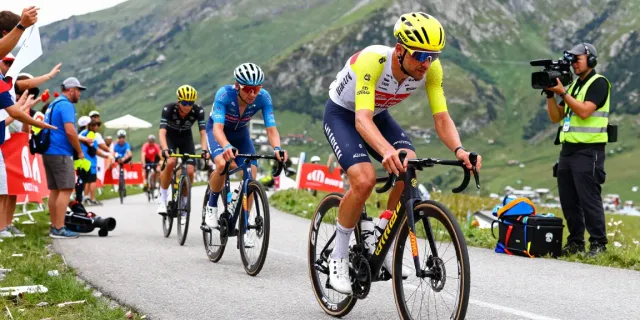
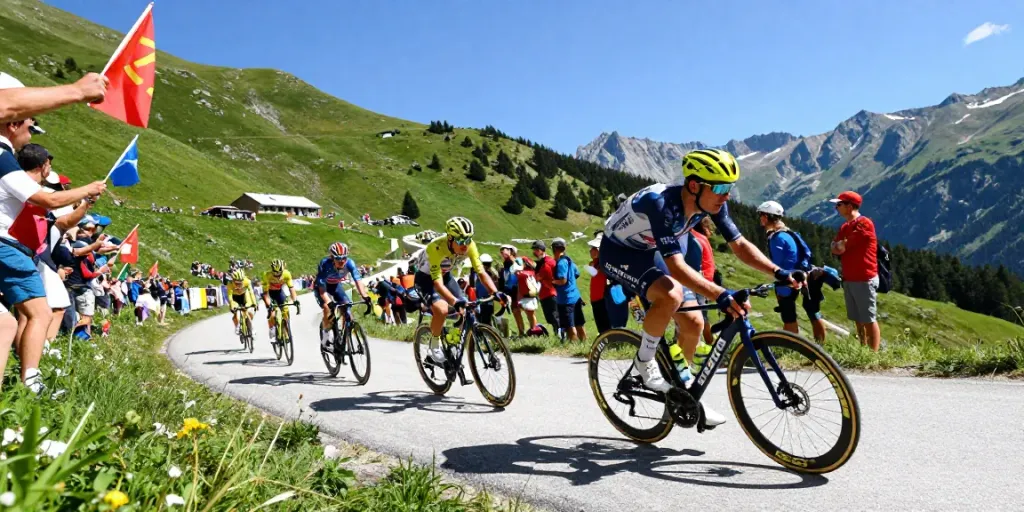
The world of professional cycling is experiencing a transformative phase as we delve into 2026. The mercato ciclismo has become an intricate web of strategies, athlete dynamics, and emerging talents. With events like the World MTB Championships and the Vuelta a España captivating cycling enthusiasts worldwide, teams are not only securing top-tier riders but also redefining their approaches to building winning squads. This year, the interplay between competition and commerce is more pronounced than ever, shaping the future of cycling in ways that go beyond what fans may see on race day.
Current Trends in Cycling Transfers
As we analyze the current transfer landscape in cycling, it's crucial to recognize that 2026 has seen several significant shifts. More teams are adopting data-driven methodologies to assess player performance and potential. This trend is largely due to the increasing availability of technology and analytics, enabling teams to make informed decisions when acquiring new talent. One notable change is the rising importance of younger riders, as squads place their bets on the next generation of stars capable of delivering consistent results over several seasons.
- Emerging Markets: Teams are increasingly scouting talent from diverse regions, moving beyond traditional cycling nations to tap into emerging cycling markets.
- Focus on Sustainability: The rise of eco-consciousness is prompting teams to invest in sustainable practices, influencing their choices of sponsorship and partnerships.
- Transfer Windows: With the globalization of cycling, the traditional transfer windows are being manipulated to fit a more fluid market dynamic.
Impact of Major Events on Team Strategies
Major cycling events serve as a catalyst for changes in team strategies, especially with the upcoming World MTB Championships. Teams are utilizing these international stages to evaluate their rosters against elite competition, leading to tactical shifts and recruitment drives. For instance, performances at events like the Vuelta or regional championships heavily influence which riders are prioritized during transfer negotiations. Teams often pivot their recruitment strategies based on the outcomes of such prestigious competitions, allowing them to strengthen their lineups for upcoming season challenges.
Key Players to Watch This Season
In 2026, several athletes are making waves within the cycling community, showcasing both raw talent and specialized skills that could pivot a team’s fortunes. Tadej Pogačar continues to dominate with his climbing prowess, while the excitement around Mathieu van der Poel and his MTB capabilities draws increasing attention. These athletes exemplify the type of profiles teams look to acquire or retain in order to maximize competitive advantage.
- Mathieu van der Poel: Renowned for his adaptability across disciplines, Van der Poel is expected to lead his team into major victories this season.
- Jasper Philipsen: With raw speed and tactical acumen, he has emerged as a sprinter to watch.
- Laura Stigger: A rising star in women's MTB who has demonstrated immense potential in recent competitions.
Understanding the Transfer Process
To fully grasp the intricacies of the cycling transfer market, it is essential to understand the transfer process itself. Each transfer involves a series of steps that teams and athletes must navigate expertly.
Steps Involved in Team Transfers
The transfer process generally kicks off with teams seeking to identify gaps within their rosters. They analyze performance data and market trends before reaching out to agents or potential transfers. This phase includes:
- Scouting and Analysis: Teams compile performance analytics and scout potential riders.
- Initial Contact: Agents initiate discussions with teams regarding their client’s interest in moving.
- Contract Negotiation: Teams negotiate terms, including salary, bonuses, and contract length.
- Medical Examination: A mandatory step to ensure the athlete is fit for competition.
- Final Agreement: Once all parties agree, the contract is signed, and the transfer is made official.
Negotiation Tips for Athletes
For athletes navigating the complexities of transfers, understanding negotiation strategies is key. Here are several tips to ensure favorable outcomes:
- Research: Know your value by reviewing performance metrics and market demand.
- Be Clear About Goals: Communicate your aspirations clearly to potential teams to ensure mutual understanding.
- Leverage Competition: Use interest from other teams as leverage during negotiations.
Common Pitfalls and How to Avoid Them
While transfers can be a lucrative opportunity, they are not without their challenges. Common pitfalls include:
- Overlooking Team Fit: Accepting a high contract without considering team dynamics can lead to poor performance.
- Neglecting Contract Details: Failing to thoroughly review contract terms can result in unfavorable conditions.
- Ignoring Long-term Implications: Making decisions solely based on financial incentives without considering career trajectory.
Analysis of Team Dynamics
Understanding team dynamics is crucial for both athletes and management to create a competitive environment. The interplay between individual talent and cohesive teamwork often determines overall performance.
Building a Competitive Team for 2026
As teams strategize for the current season, building a competitive team involves balancing experienced athletes with fresh talent. The ideal composition allows teams to maintain consistency while nurturing the growth of younger riders. The recruitment of athletes with complementary skills can also enhance team performance, facilitating strategic diversity.
Team Chemistry and Performance Outcomes
Team chemistry is a significant factor influencing performance outcomes. Cohesive teams tend to communicate better and execute strategies with precision. Teams that prioritize strong interpersonal relationships and a collaborative culture often outperform those that do not invest in fostering chemistry among team members.
Insights from Recent Team Changes
Looking at recent transfers, several successful teams have shared similar strategies when welcoming new members. These include:
- Onboarding Processes: Implementing structured orientations for newcomers to acclimate them to team culture.
- Mentorship Programs: Pairing seasoned athletes with newer riders to promote skill development.
- Regular Team Building Activities: Organizing social and training events that foster teamwork outside competitive settings.
Future Predictions for Mercato Ciclismo
As we look ahead, several trends and predictions are emerging that will shape the future of cycling and its transfer markets.
Upcoming Stars in the Cycling World
New talent is constantly entering the fray, with younger riders demonstrating exceptional performances. Scouts are particularly interested in the resilience and adaptability of these emerging stars. Noteworthy mentions include:
- Stella: A promising cyclist who recently made waves in junior competitions.
- Bisiaux: Another name to watch, noted for his competitive edge and potential for development within the WorldTour framework.
Technological Innovations Impacting Transfers
Advancements in technology are also altering the transfer landscape. Tools that analyze rider performance metrics and simulate race conditions are becoming integral in decision-making processes. These innovations allow for more precise evaluations, helping teams to make informed choices about acquisitions and retainments.
Long-term Trends in Cycling Economics
Looking ahead, the economics of cycling are poised for change. The financial landscape is evolving, with increased investment flowing into cycling infrastructure and events. This influx of resources will likely lead to an expansion of sponsorship opportunities, allowing teams to diversify their funding sources and improve overall financial health.
Resources for Cyclists and Teams
For athletes and teams, staying informed about the latest trends in mercato ciclismo is vital. Access to reliable resources can provide critical insights and help navigate the complexities of cycling transfers.
Where to Find Transfer News
Staying updated on transfer news is easier than ever, thanks to dedicated cycling platforms and news outlets. Subscriptions to cycling magazines, websites, and newsletters can keep cyclists informed about ongoing transfer activities and analysis.
Useful Tools for Analyzing Team Performance
Several tools are available for teams and athletes to analyze performance metrics effectively. Utilizing software that can track and assess rider performance data over time can inform training regimens and transfer decisions.
Expert Blogs and Forums for Discussion
Engagement in expert blogs and cycling forums allows athletes and teams to discuss strategies and share experiences. These platforms can provide valuable insights into the nuances of team dynamics and market trends while fostering a sense of community within the sport.